Harefield gardeners for landlords and property managers
If you manage rented homes or oversee a property portfolio in Harefield, the garden can be either a quiet asset or a recurring headache. A tidy lawn, trimmed hedge, and weed-free path do more than look nice; they help a property feel cared for, which matters the moment a prospective tenant arrives. Harefield gardeners for landlords and property managers are there to keep outdoor spaces presentable, safe, and easy to hand over between tenancies-without turning your week upside down.
That sounds simple. In reality, it is often a mix of timing, tenant communication, seasonal work, and making sure small issues do not become expensive ones. A missed hedge cut can block light. A neglected patio can become slippery. Ivy left to its own devices? Well, it never exactly stays polite.
In this guide, you will find a practical breakdown of how professional garden support works for rental properties, what to expect, when it makes sense, and how to avoid the common mistakes that cause delays or extra costs. You will also see where services like ongoing garden maintenance, hedge trimming in Harefield, lawn mowing, and patio cleaning fit into a sensible property-management routine.
Table of Contents
- Why Harefield gardeners for landlords and property managers matters
- How the service works in practice
- Key benefits and practical advantages
- Who needs this and when it makes sense
- Step-by-step guidance
- Expert tips for better results
- Common mistakes to avoid
- Tools, resources and recommendations
- Law, compliance and best practice
- Options, methods and comparison table
- Case study or real-world example
- Practical checklist
- Conclusion
- Frequently asked questions
Why Harefield gardeners for landlords and property managers Matters
Outdoor space is part of the property offer. Tenants notice it. Viewers notice it. Even neighbours notice it, and let's face it, a scruffy front garden can make the whole place look tired before anyone has stepped through the door. For landlords and property managers, that means garden care is not just cosmetic. It is part of protecting value, reducing complaints, and keeping void periods shorter.
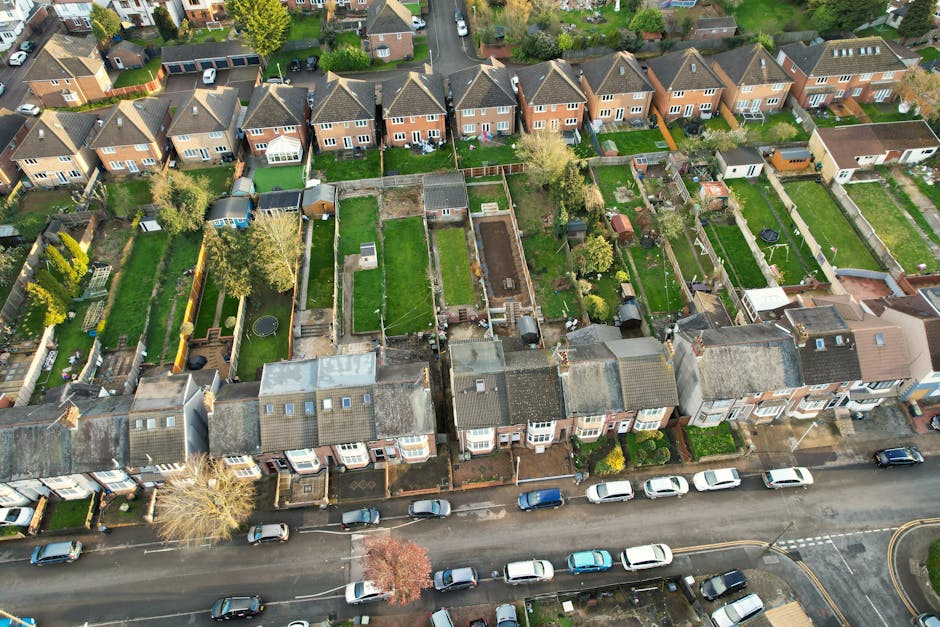
In Harefield, where homes often have front and rear gardens of very different sizes and styles, the maintenance burden can vary a lot. One property might need simple mowing and light pruning. Another may need clearance after a long period of neglect, plus regular hedge work and seasonal tidy-ups. A good local gardener understands that no two rental gardens behave the same way. A small courtyard can be as fiddly as a large family lawn, just in a different way.
For landlords, the biggest problem is inconsistency. A garden can look fine in April and unruly by July if nobody is looking after it. For property managers, the issue is coordination: arranging access, matching contractor timing to tenancy changes, and keeping standards consistent across multiple homes. This is exactly where a structured service helps.
Practical takeaway: garden work for rental properties is not about making every outdoor space perfect. It is about making it manageable, presentable, and low-risk on a repeatable basis.
There is also a value point that is easy to miss. A well-kept garden can improve first impressions at viewings, support better tenant care during occupancy, and reduce the chance of emergency jobs later on. If you have ever had to arrange a last-minute clearance before check-in, you will know how quickly the clock starts feeling rude.
How Harefield gardeners for landlords and property managers Works
Most property-focused garden services begin with a site review, even if it is informal. The aim is to understand the current condition, access, risk points, and what the property needs in the short and medium term. A good gardener will normally look at lawn condition, hedge growth, weed pressure, boundary lines, paving safety, shrub health, and anything that might obstruct light, access, or kerb appeal.
From there, the work is usually split into one of three patterns:
- One-off recovery work for neglected gardens, end-of-tenancy clear-ups, or pre-listing presentation.
- Routine maintenance for properties that need recurring mowing, trimming, and seasonal tidying.
- Seasonal or ad hoc jobs such as leaf clearance, storm damage tidy-up, or cutting back after fast growth.
The process should also be convenient for busy managers. In practice that means clear scheduling, simple communication, and no guesswork about what was done. A decent service will tell you what is included, what is not, and whether extra work is likely to be needed. That kind of clarity saves awkward follow-up calls later.
For example, if a property has overgrown shrubs, a good plan might combine hedge trimming in Harefield with general garden maintenance, then add lawn care if the grass has thinned or gone patchy. If the patio is part of the first impression, patio cleaning can make a surprisingly big difference, especially in damp months.
What the service usually covers
- Grass cutting and edging
- Hedge and shrub shaping
- Weed removal from beds, borders, and paths
- Leaf collection and seasonal clearance
- Border tidying and light planting adjustment
- Pressure or surface cleaning where suitable
- Cut-back of overgrowth around gates, fences, or access points
Sometimes the best outcome is not a dramatic makeover. It is a steady, repeatable standard. That is what landlords generally need.
Key Benefits and Practical Advantages
There are a few benefits that consistently matter more than the rest.
1. Better letting appeal
A tidy garden strengthens the emotional first impression. People imagine themselves living there. They picture coffee outside, children playing, or simply a cleaner, calmer space. Even a modest terrace can feel more premium with a trimmed hedge and clean paving.
2. Fewer avoidable complaints
Tenants are more likely to complain about encroaching hedges, trip hazards, slippery surfaces, or overgrown boundaries if the garden is left unchecked. Regular attention reduces friction. Not all complaints disappear, of course, but the avoidable ones do.
3. Reduced risk of escalation
A small weed issue can become a bigger access problem. A tree branch left too long can interfere with light or spread debris. Ivy can creep where nobody asked it to. The earlier a gardener steps in, the less dramatic the solution tends to be.
4. Easier tenancy handovers
End-of-tenancy cleaning is much simpler when the outdoor space has not been neglected. Garden condition is often one of those details that can slow a move-out inspection if it looks rough around the edges.
5. Better budgeting
Planned maintenance often costs less in the long run than rescue jobs. That is not a fixed rule, but it is a pattern many landlords recognise after one too many emergency call-outs.
6. Stronger relationships with tenants
When the outside of a property feels looked after, tenants tend to feel the same. It creates a small but real sense that the home is cared for properly.
For more ideas on making outdoor space appealing without overcomplicating it, the article on affordable ways to improve garden presentation is a useful companion read.
Who This Is For and When It Makes Sense
This kind of service is useful for more than just large portfolios. It makes sense in all sorts of real-world situations.
- Private landlords who want reliable upkeep without chasing different contractors every season.
- Letting agents needing gardens brought back to standard before photographs, viewings, or check-ins.
- Block or property managers handling multiple units with shared or front-garden areas.
- Landlords with absentee tenants where access to the outdoor space is limited or the garden has been left to drift.
- Owners of HMOs or family lets where the outside space gets used more heavily and needs steadier care.
It is also relevant when the garden is not the main feature, but still matters. A small front strip can still frame the whole house. A rear garden may not be huge, but if it is overgrown or muddy, viewers will notice immediately. And if a property sits empty for a few weeks, weeds and fast growth have a habit of filling the gap with surprising enthusiasm.
Sometimes the decision is seasonal. Spring and early summer are obvious times to arrange work, but autumn is just as important for leaf clearance and reducing slip hazards. After windy weather, you may also need a quick tidy-up to keep paths and fences in order. If storms are a recurring issue, this guide to keeping gardens safe during severe weather gives a sensible overview.
Step-by-Step Guidance
If you are setting up garden support for a rental property, this is the cleanest way to approach it.
- Assess the property honestly. Walk the garden and note what needs regular attention, what can wait, and what is already causing problems.
- Separate cosmetic work from safety work. A neat border is nice, but a broken slab or slippery patio comes first.
- Decide on a service level. One-off clearance, monthly upkeep, or seasonal visits? Be specific. Vague plans become messy plans.
- Match the job to the tenancy stage. Pre-let, mid-tenancy, and end-of-tenancy needs are not the same thing.
- Set access arrangements early. Keys, tenant notice, parking, and gate access should all be agreed before the visit.
- Request a clear scope. Make sure everyone understands what is included: mowing, trimming, waste removal, patio cleaning, or extra work.
- Keep a simple record. A dated note or invoice trail helps later if you need to show the property was maintained sensibly.
- Review after the first visit. Was the result tidy? Was the timing practical? Did the property present better straight away?
A lot of problems disappear when the process is documented properly. Nothing fancy. Just clear, sensible notes. Old-fashioned, maybe, but effective.
Expert Tips for Better Results
These are the details that usually separate a decent result from a frustrating one.
Plan for growth, not just appearance
A hedge can look fine today and overrun a boundary in a month or two. Same for lawns after a wet spell. Build maintenance around likely growth cycles rather than only around what the garden looks like on the inspection day.
Use the right service mix
Some properties need more than mowing. If the boundaries are shaggy, pair grass work with hedge trimming. If outdoor surfaces are tired, add cleaning. If the garden is tired overall, a broader gardening service can be more practical than piecemeal calls.
Think in presentation zones
Front garden, side access, rear garden, patio, fence line. Each one influences how the property feels. It is rarely one feature alone.
Keep planting simple if tenants are varied
For rental homes, low-maintenance planting is usually easier to manage than delicate displays. Ground cover can help reduce weeding, and if you want to explore that idea, this piece on ground cover choices is worth a look. Simpler planting also tends to survive occupancy changes better. Which, to be fair, is the point.
Respond quickly to ivy and self-seeding growth
Ivy looks charming until it is climbing a fence, wall, or shed faster than you planned. Once established, it gets stubborn. If that is already a problem, the article on removing ivy properly is relevant.
Do not ignore seating and usability
If a garden is usable, tenants tend to value it more. Even a basic corner can be improved with sensible seating. For inspiration, see these ideas for relaxing garden seating.
Keep seasonal jobs on a calendar
Spring tidy, summer maintenance, autumn leaf work, winter protection. The rhythm matters. If you leave everything to memory, one season slips and then another, and suddenly the garden has opinions of its own.
Common Mistakes to Avoid
These are the mistakes that cause unnecessary cost or hassle.
- Waiting too long to act. Overgrowth is always cheaper to prevent than to recover.
- Booking only after a complaint. By then the property may already have lost presentation value.
- Assuming all gardens need the same treatment. A shaded rear plot and a sunny frontage behave very differently.
- Skipping access planning. If nobody can get in, nobody can do the work. Obvious, but it happens.
- Forgetting about waste removal. Clippings and trimmings can leave a property looking unfinished if they are not handled properly.
- Choosing price alone. The cheapest option can become the most expensive if the result is patchy or incomplete.
- Ignoring drainage or surface issues. A clean garden still needs safe footing and workable access.
A quieter mistake is expecting a single visit to solve a garden that has been ignored for a long time. Sometimes that is enough. Often it is not. A proper reset may need a first clear-up, then a follow-up schedule to hold the line.
Tools, Resources and Recommendations
For landlords and property managers, the best resources are not flashy. They are the ones that keep decisions easy.
- A simple seasonal schedule for mowing, hedge cutting, weed control, and leaf clearance.
- Before-and-after photo records for inspections and property files.
- Basic property notes covering access, gates, bins, and any planting that should be preserved.
- A clear service scope so there is no dispute about what was included.
- A trusted maintenance contact for reactive jobs, especially after storms or tenant move-outs.
If you are considering whether to build a maintenance plan around one-off jobs or routine visits, it helps to read a little around the subject first. The guide on tackling a neglected garden is useful for understanding what a reset can involve, while this overview of gardening equipment gives a sense of the practical tools that tend to be used for reliable upkeep.
For properties with harder landscaping features, the right support can extend beyond plants. You may want to consider landscaping support if the layout itself is part of the problem, or fencing work if the boundary is damaged or letting the whole place down visually. If trees are involved, then tree surgery may be needed instead of basic pruning. Different jobs, different skill sets. It matters.
Law, Compliance, Standards, or Best Practice
For rental properties, the main point is simple: outdoor areas should be kept reasonably safe and maintained to a standard that does not create avoidable hazards or complaints. You do not need overcomplicated language to make that true. You just need practical consistency.
In UK property management, best practice usually means keeping walkways clear, preventing obvious trip hazards, managing overgrowth near access routes, and dealing with conditions that could make the property unsafe or unpleasant to use. That may include slippery patios, fallen branches, broken fencing, or poor visibility caused by unchecked planting.
Good practice also includes clear contractor paperwork and straightforward site communication. If you are using outside help, it is sensible to understand the basics of service terms, payment handling, and safety expectations. The pages on health and safety policy, insurance and safety, terms and conditions, and payment and security are useful starting points if you want that reassurance in plain English.
Accessibility is worth a brief mention too. Outdoor routes and entrances should remain usable where possible. If a garden path is overgrown or uneven, that can become more than a cosmetic issue. Likewise, if tenants include children, older adults, or pets, practical upkeep matters even more. For an angle on family-friendly garden planning, you may also find this article on designing a creative garden for children helpful, and this piece on pet-friendly yards for homes with dogs.
Options, Methods, or Comparison Table
Different property types need different maintenance approaches. Here is a straightforward comparison to help you decide what usually fits best.
| Approach | Best for | Advantages | Trade-offs |
|---|---|---|---|
| One-off clearance | Neglected gardens, pre-let resets, end-of-tenancy tidy-ups | Fast improvement, useful for urgent situations | Does not prevent regrowth |
| Routine maintenance | Occupied rentals, managed portfolios, shared outdoor areas | Stable presentation, easier budgeting, fewer surprises | Needs scheduling discipline |
| Seasonal visits | Properties with slower growth or lighter use | Cost-effective, simple to plan | Can be too infrequent for fast-growing gardens |
| Full outdoor support | Homes with lawns, hedges, patios, borders, and access routes | More complete care, less coordination stress | May be more than some small properties need |
If you are unsure which method fits, start with the condition of the garden and the tenancy rhythm. A property turning over every few months usually benefits from tighter maintenance than a long-term let with low outdoor use.
Case Study or Real-World Example
Here is a realistic example, drawn from the sort of situation that comes up all the time.
A landlord in Harefield has a semi-detached rental with a front lawn, a narrow side return, and a rear garden that had quietly gone wild during a long tenancy. By the time the tenant moved out, the hedge had become uneven, the patio had a green film, and the lawn needed more than a quick pass. The property was due to be photographed within days.
The sensible response was not to try to do everything at once with a last-minute rush. First came a clear assessment: what was urgent, what was cosmetic, and what could wait until after listing. The most visible issues were tackled first-lawn cutting, hedge shaping, weed removal, and patio cleaning. The side return was cleared so access looked intentional rather than abandoned. Then a simple follow-up plan was agreed for seasonal upkeep once the new tenant moved in.
The result was not a show garden. It was better than that, actually. It was believable. Clean, tidy, and manageable. That is the standard most landlords really want. The property looked looked-after, and the outdoor space stopped being a concern during the next tenancy cycle.
That kind of shift is common. A garden does not need to be elaborate to help a property feel stronger on the market. It just needs to stop working against you.
Practical Checklist
Use this checklist before and after instructing garden work for a rental property.
- Check access arrangements for gates, keys, and parking.
- Confirm whether the job is one-off, seasonal, or recurring.
- List the priority areas: lawn, hedge, patio, weeds, borders, fences, trees.
- Note any safety concerns, such as slippery surfaces or broken edging.
- Decide whether waste removal is required.
- Make sure the service scope is clear in writing or notes.
- Take before photos if the garden is in poor condition.
- Review the result after the first visit.
- Set a follow-up date before growth gets out of hand again.
- Keep records with the property file for future handovers.
If you want to make the outside space easier to maintain, the blog on gardening and climate action offers a nice reminder that thoughtful planting and lower-maintenance choices can work together. You do not need a high-drama garden to have a good one.
Get a free quote today and see how much you can save.
Conclusion
For landlords and property managers, garden care is not a side issue. It shapes first impressions, affects day-to-day usability, and influences how smoothly a property moves between tenancies. The right support keeps everything calmer. Less scrambling. Fewer surprises. Better-looking homes.
Harefield gardeners for landlords and property managers bring structure to a task that is easy to underestimate until it starts causing delays. Whether the need is a one-off clearance, regular mowing, hedge work, or a broader maintenance plan, the goal is the same: make the outdoor space presentable, safe, and simple to manage.
If you get that balance right, the garden stops being a worry and starts doing its job quietly in the background. And that, honestly, is what most property professionals want most.
Frequently Asked Questions
What do Harefield gardeners for landlords and property managers usually include?
It often includes lawn mowing, hedge trimming, weed control, border tidying, leaf clearance, patio cleaning, and general garden maintenance. The exact scope depends on the property and whether the work is one-off or ongoing.
Do I need regular garden maintenance for a rental property?
Not every property needs the same schedule, but regular maintenance is usually helpful if the garden grows quickly, the tenancy changes often, or the outside space affects kerb appeal. It is usually easier to prevent a problem than to recover from one.
Is one-off garden clearance enough before new tenants move in?
Sometimes, yes. If the garden is only lightly overgrown, a single clearance may be enough. If it has been neglected for a while, a follow-up plan is often smarter so it does not slip back into disorder straight away.
How do I know whether a garden needs hedges, lawn care, or a full tidy-up?
Look at the main pain points. If the boundaries are messy, hedge trimming may be the priority. If the lawn is weak or patchy, lawn care matters more. If everything is untidy at once, a broader tidy-up is usually the better place to start.
Can garden work help with rental property viewings?
Yes. A neat outdoor space makes a property feel better maintained, which can improve the impression at viewings. It does not need to be elaborate; it just needs to look cared for and safe.
What should I ask before booking garden services for a rental home?
Ask what is included, how access will work, whether waste is removed, whether the visit is one-off or recurring, and how the work will be recorded. Clear expectations save a lot of awkwardness later.
Are patios and paths worth cleaning for rental properties?
Very often, yes. Clean surfaces make the garden safer and brighter. A dirty patio can drag down the whole look of the property, even if the planting is fine.
What if the garden has been neglected for months?
Start with a proper assessment and expect the first visit to be a reset rather than a finishing touch. If the garden is badly overgrown, it may need clearance, trimming, and a second visit to keep it under control.
How often should a landlord check the garden condition?
That depends on growth speed and tenancy length, but it is wise to review it seasonally at minimum. Gardens often change faster than people expect, especially in spring and early summer.
Can a gardener help with ivy, fences, or tree-related issues too?
Yes, depending on the work involved. Heavy ivy, damaged boundaries, or larger trees may need specialist attention. For example, ivy removal, fencing, and tree surgery are all common support areas when a property needs more than basic tidying.
Is garden maintenance for landlords different from domestic garden care?
It usually is. Rental properties need consistency, good presentation, and practical scheduling around tenants and inspections. The work is often less about personal garden preference and more about keeping the property reliable and easy to manage.
Where can I find more information about related services and standards?
You can explore the site's pages on pricing and quotes, about us, and the site's contact page if you want to make an enquiry. For related reading, the blog articles linked throughout this guide are a good next step.